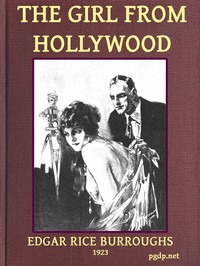
The novel opens with a precise, almost technical description of two riders descending a steep hillside on horseback. The bay stallion in the lead sidles nervously, flecking foam, while the girl's lighter bay horse slides down cautiously, bracing its feet. This contrast in riding styles—showy versus safe—immediately establishes a pattern of surface versus substance that runs through the story. The man clears an eight-foot wash effortlessly; the girl's horse hesitates, causing the bank to cave and sending them both into the wash. No damage, she says, making a wry face. The scene is set in a California canyon, far from the glamour of Hollywood, yet the title promises that world will intrude.
Riding as Character and Conflict
Horses are not mere transportation in this novel; they reveal character and create tension. The opening chapter devotes several paragraphs to the horses' movements: the stallion's nervous sidling, the girl's horse sliding on its haunches. When the girl's mount falls into the wash, the exchange is brief—'No damage?' 'No damage'—but the incident foreshadows larger risks. Later, the girl, Shannon, rides with Custer daily, and their conversations occur on horseback. The rhythm of riding structures their relationship: they meet at a fork in the road, one branch leading to her bungalow, the other to his stables. When Custer wants to accompany her home, she refuses: 'This is my afternoon off.' The horses themselves become a language of restraint and desire.
The Unspoken and the Hidden
Burroughs builds suspense through what is not said. Shannon knows more than she reveals about the mysterious pack train and Allen's confederates, but she keeps silent to protect Custer. Custer, in turn, admits he was drinking too much after his sister Grace left, but he does not press Shannon for her secrets. Their conversations are full of polite deflections: 'Not if you don't wish it,' she says when he asks her not to mention something. The pack train itself is a shadowy presence, its purpose unknown. Custer vows to ride the trail above Jackknife Cañon 'to its finish, if it takes me clear to the ocean,' but the reader senses that the truth will be dangerous. The novel's structure depends on these withheld revelations.
Hollywood as a Distant Threat
Despite the title, Hollywood appears only as a distant influence in the opening chapters. The story is set on a ranch, with characters who ride, swim, and lunch together. Yet the catalog subjects—motion picture industry, drug dealers—suggest that the film world will eventually collide with this pastoral setting. The girl from Hollywood is Shannon, but she lives in a bungalow near the ranch, not in the city. Her connection to the film industry is implied but not yet explained. The tension between the natural landscape and the artificial world of Hollywood is established through small details: the director's eyes snap in the frontispiece caption, and the pack train moves at night. The novel's world is one where the surface is calm, but beneath it, something is being smuggled.
Readers should pay attention to the physical details—the way a horse moves, the color of a shirt, the position of a fork in the road. Burroughs uses these concrete observations to build a world that feels solid even as it conceals danger. The romance between Custer and Shannon is understated, expressed through gestures and silences rather than declarations. The novel rewards careful reading of its landscapes and its pauses.
That rainy afternoon, I kept returning to the riding scenes in The Girl from Hollywood, the way the landscape seemed to absorb every secret. It made me wonder about other stories hidden in plain sight, and somehow that led me to The Three Lovers — Reading Companion, which felt less like a guide and more like a quiet conversation I hadn’t expected to join.