
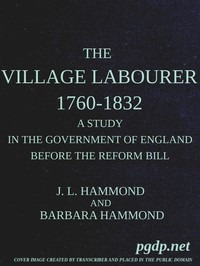
The village labourer, 1760-1832 by J. L. Hammond and Barbara Bradby Hammond
The Story
This book isn't about famous battles or political speeches. It's about a quiet, century-long takeover. The authors, J.L. and Barbara Hammond, trace how between 1760 and 1832, the British Parliament passed over 4,000 private acts to 'enclose' common lands. For centuries, villagers had rights to graze animals, collect firewood, and grow food on these commons. The Acts wiped those rights away, handing the land to private owners. The book follows the devastating consequences: the loss of independence, the rise of desperate poverty, and the brutal new Poor Laws meant to manage the crisis.
Why You Should Read It
I picked this up thinking it might be a dense academic read, but it's surprisingly powerful. The Hammonds use sources like village petitions, wage records, and eyewitness reports to give voice to people history usually ignores. You feel the injustice of a system that preached property rights while stripping them from the majority. It made me look at the neat patchwork fields of the English countryside and see not just beauty, but a story of profound loss. It connects directly to modern debates about land ownership, wealth gaps, and who gets to benefit from 'progress.'
Final Verdict
Perfect for anyone who loves social history, wants to understand the origins of the class system, or enjoys books that challenge the standard 'march of progress' narrative. It’s also great for fans of authors like Rebecca Solnit or George Orwell, who write about place and power. Be prepared—it might make you a little angry, but in the best, most thought-provoking way.
This digital edition is based on a public domain text. It is available for public use and education.






Paul Brown
7 months agoIf you enjoy this genre, the storytelling feels authentic and emotionally grounded. Thanks for sharing this review.